

5 Donations Food Banks Don't Accept—And What They Do Need |
Understanding the Do's and Don'ts of Food Bank Contributions |
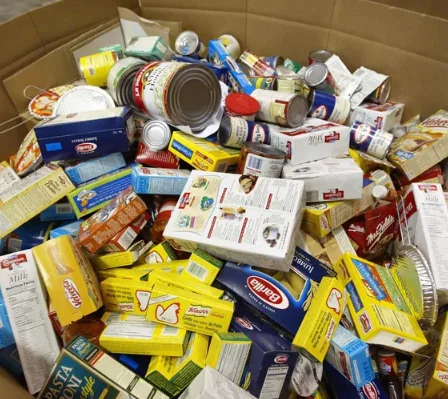
Food banks are a vital resource for many families, especially as food insecurity affects a significant portion of households.
While donations are always appreciated, certain items are unsuitable for distribution.
Here's a guide to help you make the most impactful contributions.
Items to Avoid Donating:
Expired or Opened Products: Donating items past their expiration date or with broken seals can pose health risks.
Always check labels to ensure products are within their "best by" dates and unopened.
Perishable Foods: Items requiring refrigeration, such as dairy or fresh meats, are challenging for many food banks to store and distribute safely.
It's best to stick with non-perishable goods.
Homemade Goods: While made with good intentions, homemade items can't be accepted due to safety and quality control standards.
Glass Containers: Glass is prone to breaking during transport, posing safety hazards.
Opt for items in plastic or metal packaging instead.
Alcoholic Beverages: Alcohol is not suitable for food bank distribution and should be excluded from donations.
Items Food Banks Need Most:
Protein Sources: Canned meats like tuna and chicken, as well as peanut butter, are excellent sources of protein with long shelf lives.
Whole Grains: Brown rice, whole wheat pasta, and oatmeal provide essential nutrients and are versatile for meal preparation.
Canned Fruits and Vegetables: Opt for low-sodium vegetables and fruits packed in their own juices to promote healthier options.
Soups and Stews: Hearty, ready-to-eat options are especially valuable during colder months.
Personal Care Items: Non-food essentials like toothpaste, soap, and feminine hygiene products are often in high demand.
Before donating, it's advisable to contact your local food bank to inquire about their specific needs and guidelines.
Your thoughtful contributions can make a significant difference in the lives of those facing food insecurity. |
0 Comments
Join the conversation
Be the first to comment
Share your thoughts above.